Skip to content
Perth Palm Tree Removal Services

Service 06 of 9

Palm tree health assessment in Perth

A palm tree health assessment is an inspection of the trunk, crown, fronds and roots to find disease, pests, nutrient problems and structural decay before a palm fails. Perth Palm Tree Removal Services arranges assessments that check for fusarium wilt, ganoderma butt rot and palm weevil damage, then explain whether the palm can be treated, trimmed or needs removal.

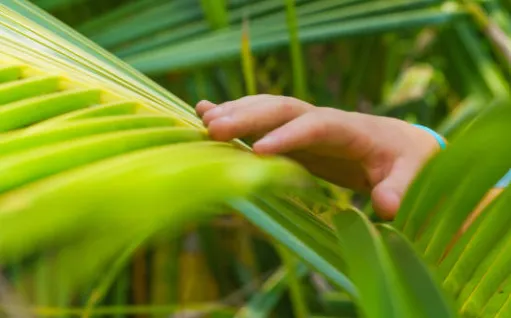
Hand inspecting the leaflets of a green palm frond for signs of disease or deficiency
We inspect
Trunk, fronds, crown and roots
We look for
Fusarium, ganoderma, palm weevil
Red flags
Lean, cracking, hollow base
You get
Clear advice: treat, trim or remove

Why palm health assessments matter in Perth

Palms often look fine from the ground while a problem develops inside the trunk or at the base. By the time a palm leans or drops its crown, the damage is usually done. A health assessment finds disease, pests and decay early, because early detection allows treatment before the palm’s structural integrity is compromised.

An assessment also answers a practical question: is this palm safe to keep near the house, the pool or the driveway? That answer decides whether you need a trim, treatment or removal.

What the assessment covers

  • Trunk condition: cracking, soft spots, hollowing and decay, especially at the base.
  • Frond colour: yellowing, browning or one-sided dieback that can point to disease or deficiency.
  • Crown density: whether new fronds are emerging and the crown is holding its shape.
  • Root stability: signs of heave, lean or movement at ground level.
  • Pests: evidence of palm weevil damage in the crown or trunk.
  • Surroundings: what would be hit if the palm or its fronds failed.

Common palm problems we check for

Fusarium wilt

Fusarium wilt is a fungal disease that affects the palm’s ability to move water. It typically shows as fronds browning and dying back, often starting on one side of the frond. It spreads through the palm over time, so early identification matters.

Ganoderma butt rot

Ganoderma butt rot is a fungal decay of the lower trunk. It weakens the base of the palm from the inside and can cause the palm to fail at ground level. Fungal growth at the base is a warning sign. Ganoderma cannot be cured, so a confirmed case usually means removal.

Palm weevil damage

Palm weevil larvae tunnel into the crown and trunk, which can weaken the palm and damage the growing point. Damage is often hidden until the crown starts to collapse, so it is part of every inspection.

Nutrient deficiency and structural decay

Perth’s sandy soils can leave palms short of nutrients, which shows up as discoloured or poorly formed fronds. Leaning, cracking or hollowing at the base can indicate internal decay, which is a structural risk regardless of the cause.

What happens after the assessment

You get a clear recommendation, in plain language, based on what was found:

  • Keep and maintain, with a trimming schedule if needed.
  • Treat and monitor, when the problem is caught early enough.
  • Remove, when the palm is dead, incurable or unsafe. See palm tree removal.

Signs you should book an assessment now

  • A brown or missing crown, or no new growth.
  • Soft, cracked or hollow sections of trunk.
  • Fungus or shelf-like growths at the base.
  • A new lean, or soil heaving at the base.
  • Fronds dying back faster than usual, or on one side.

If a palm is leaning towards a building or has cracked after a storm, treat it as urgent and see emergency palm removal.

Next step

Call (08) 7813 3802 to book an assessment. Describe what you have noticed and send photos if you can, so we can prioritise palms that look risky.

Learn more about palm tree removal perth options on our home page.

Customer reviews

What Perth customers say

From homeowners in Morley, Perth, Cottesloe, Duncraig, Wanneroo and across the metro area.

  • “We had a dead palm that was starting to look dangerous, particularly when the wind picked up. They assessed it, explained the safest removal method and took care of everything. Great service from start to finish.”

    Peter C, Morley
  • “We contacted them for palm tree removal after several palms had become too large for our property. The quote was clear, they arrived when promised and the entire site was cleaned before they left. Would definitely use them again.”

    Rachel B, Perth
  • “From the initial quote through to the final clean-up, communication was excellent. They removed a large palm close to our boundary without damaging the surrounding garden. A very professional palm tree removal service.”

    Amanda W, Cottesloe
  • “After having an old palm removed, we wanted the stump gone so we could landscape the area properly. The stump grinding was quick, tidy and left the area ready for us to use again.”

    James L, Duncraig
  • “We needed a very tall palm removed from our backyard and access wasn't easy. The crew handled the entire palm removal safely and efficiently, including cutting everything into manageable sections and cleaning up afterwards.”

    Karen P, Wanneroo
  • “Really impressed with how smoothly the whole job went. Our palm was in a difficult position between the fence and pool, but it was removed without any damage and the yard was left spotless.”

    Sarah T, Scarborough

FAQ

Palm Tree Health Assessment: common questions

How do I know if my palm tree is dying?

Signs that a palm is dying or declining include a browning or missing crown with no new growth, soft or hollow sections in the trunk, fungal growth at the base, a new lean, visible cracking, and fronds yellowing or collapsing earlier than usual. Any of these is a reason to book a palm health assessment.

Can a diseased palm be saved?

It depends on the problem and how early it is found. Early detection allows treatment before the palm’s structural integrity is compromised. Some conditions, such as ganoderma butt rot, cannot be cured, so removal is the safe option once they are confirmed.

Is a dead palm dangerous?

Yes. Dead palms lose structural integrity quickly, which makes them prone to sudden collapse and frond drop. The risk increases the longer a dead palm is left standing, so dead palms are treated as priority jobs.

What diseases affect palms in Perth?

A palm health assessment checks for fusarium wilt, ganoderma butt rot and palm weevil damage, as well as nutrient deficiencies and structural decay. Each one has different signs, which is why the assessment covers the trunk, fronds, crown and roots.

Free quotes across Perth

Book a palm health assessment

Call and talk to someone who knows palms, or send the details and we will call you back. Every quote is free, written and itemised, so stump grinding and green waste are never a surprise.

(08) 7813 3802

or email info@perthpalmtree.com.au

Photos of your palm (optional, up to 5)

    What photos help most?
    • The whole palm, taken from far enough back to see the top.
    • What is around it: roof, fence, pool, shed or power lines.
    • The base of the trunk, especially any cracks, lean or fungus.
    • The side access or gate a crew would use to get in.

    Free and no obligation. Prefer to talk? Call (08) 7813 3802.

    Call nowFree quote